
Smartphone dental photography gets too much shade
Light it up with the right light rig. Here are the need-to-knows on light.
I spent a few days at the Dentistry Show recently.
I spoke to so many people there who use their phone for clinical photography, and seemed almost ashamed to admit it. There's nothing to be ashamed of. With the right set-up, you can take genuinely good clinical photos on a smartphone.
The biggest part of that set-up is the light. It's also the cheapest part to fix.
Your phone is already good enough. The thing standing between you and a clinical image you'd be happy to send to a lab, show a patient, or put in your portfolio is usually not the camera. It's what's lighting the tooth.
So here we'll unravel how to optimise your photos with the right light.
What light actually does to a clinical photo
Colour. Good, consistent light gives you accurate colour. Without it, the camera lifts its sensitivity and the white balance drifts.
Sharpness. More light lets the camera focus faster and hold a steadier exposure. Less light means slower shutter speeds and more chance of a soft, slightly blurred image you don't notice until it's too late.
Detail. In low light the sensor compensates by raising ISO, and that adds noise. Noise is the enemy of detail. It quietly buries the things you photographed for: enamel texture, a hairline crack, a margin. Good light keeps the ISO low and the detail intact.
Shadows. A single overhead surgery light throws hard shadows and hot spots. A dedicated light near the lens fills those shadows evenly, so you see contour and form instead of dark gaps.
Reflections. Wet enamel is glossy. Uncontrolled light bounces straight back as glare and hides the surface. A polarised light cuts that reflection so you can read the tooth properly.
Consistency. Room light changes through the day. Controlled light doesn't. If you want a before and after that genuinely compares, the lighting has to be the same both times.
See it for yourself
Same patient. Same phone. The only thing that changed is the light.
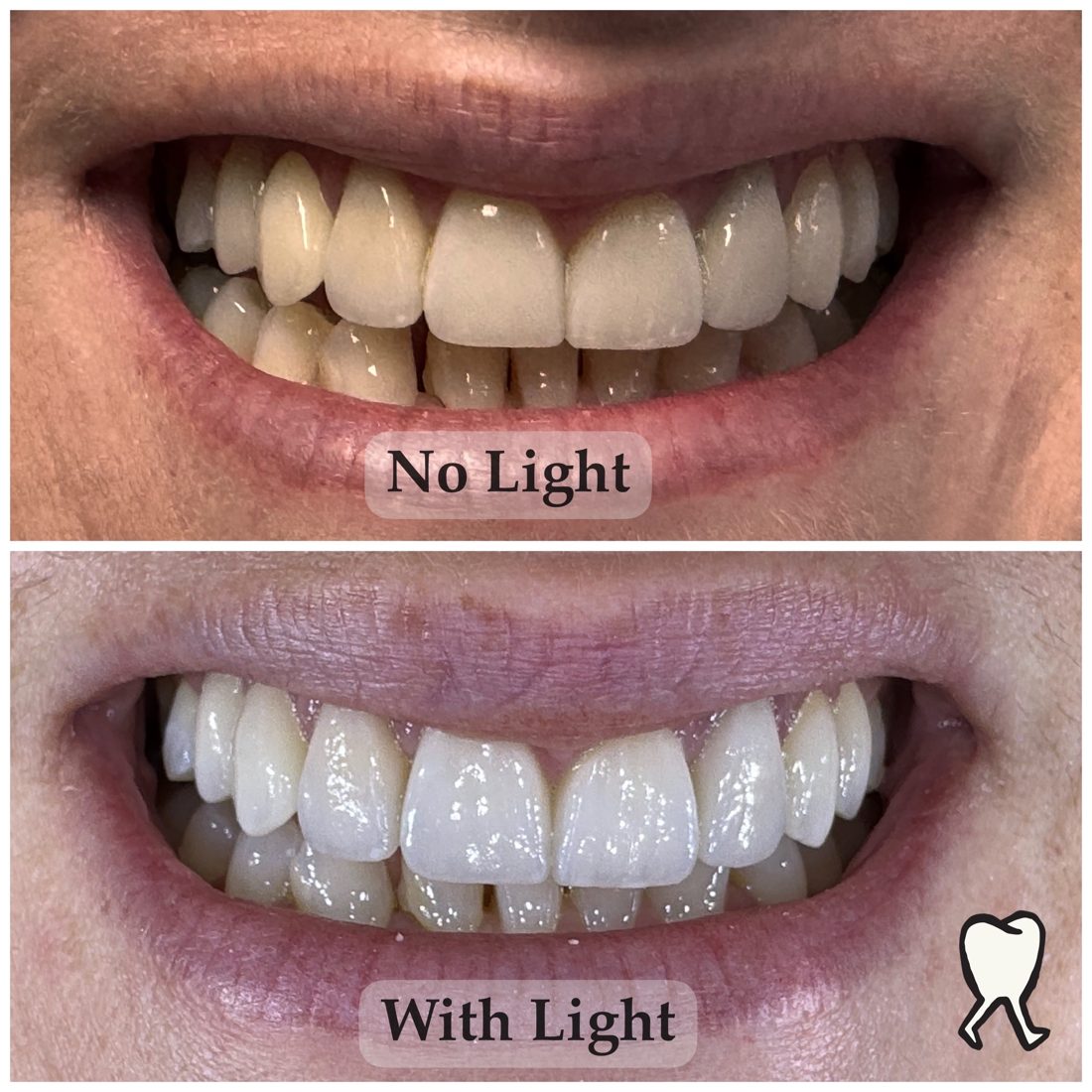
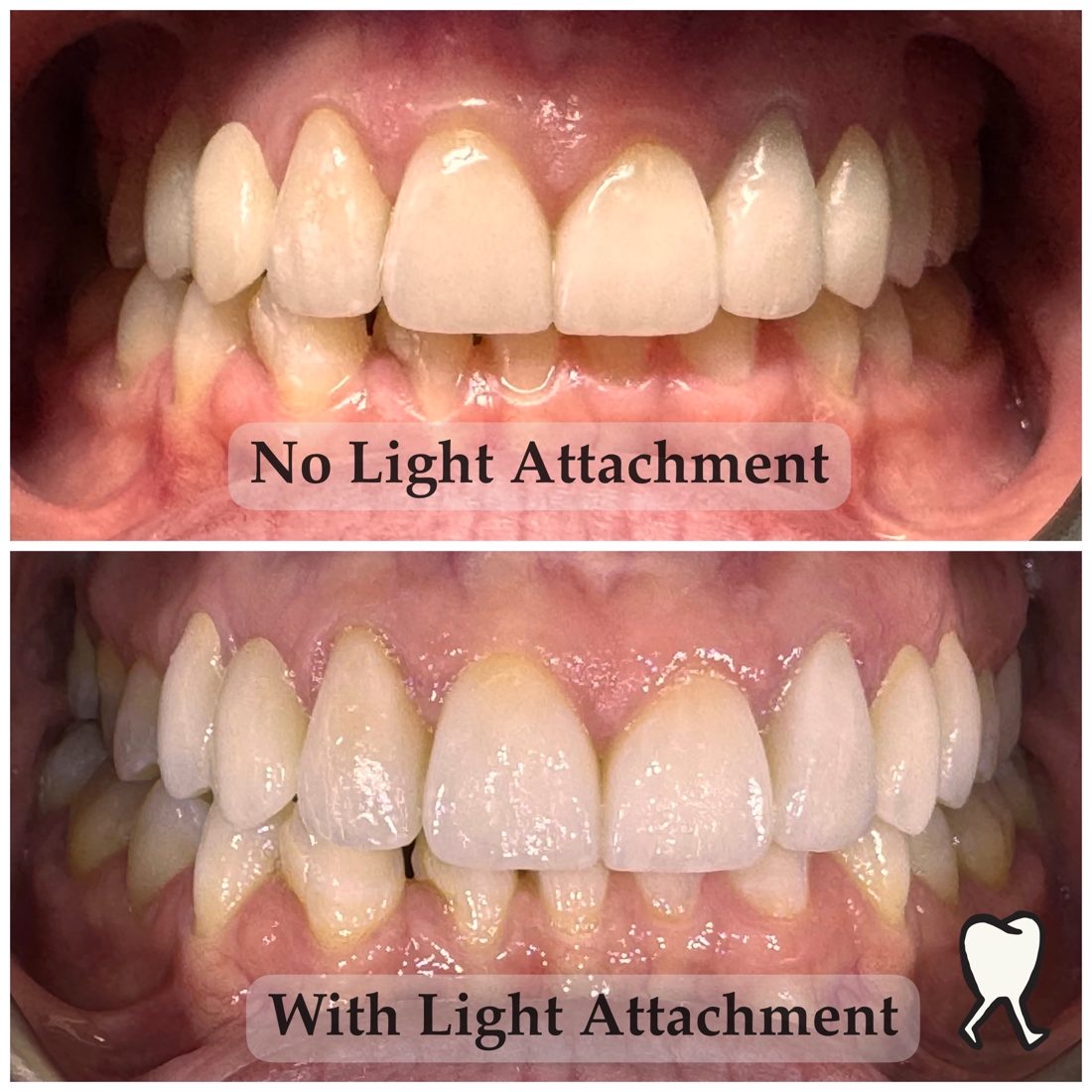
That's not editing. That's just light hitting the tooth properly.
Working distance
This is the one that catches people out, so I'll say it plainly. Mobile dental photography is shot much closer than ordinary camera work. The moment you clip a polariser on the front, you're closer still. Which means the light, and your hands, end up quite near the patient's face.
It's manageable. But plan for it. Warn the patient, and get comfortable working in that tight space before you're doing it for real in the chair.
These aren't really flashes
Almost nothing sold for phones is a true flash. They're continuous LED lights, so what you see on screen is what you get. That makes them far easier to learn on than a DSLR and ring flash. The trade-off is less raw power, so you work close and keep your hand steady.
So which light is right for you
Four broad options.
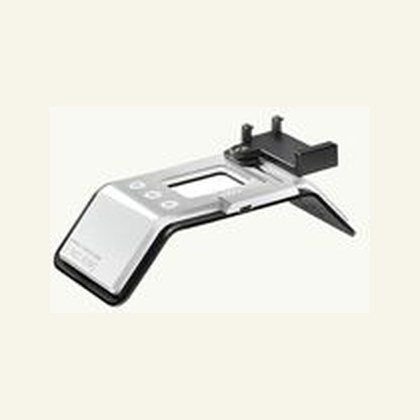
Smile Lite MDP2 ~£475 UK / $950 US
If you're serious about shade and lab communication and you can justify it, buy this and be done with it. Ring flash, twin flash, diffusers and a polariser in one device.
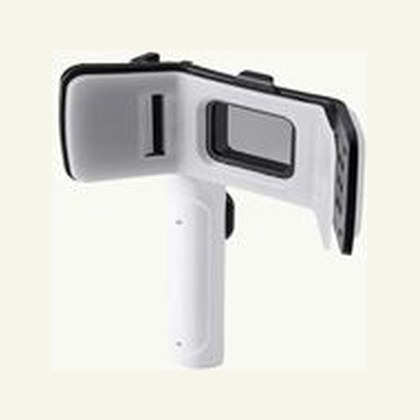
Generic multi-zone panel ~$40 to $150
The Smile Lite shape at a fraction of the price. Can be genuinely good. Just know the corners that get cut at the bottom of the market are the ones you can't see on a spec sheet, so buy somewhere that takes returns.
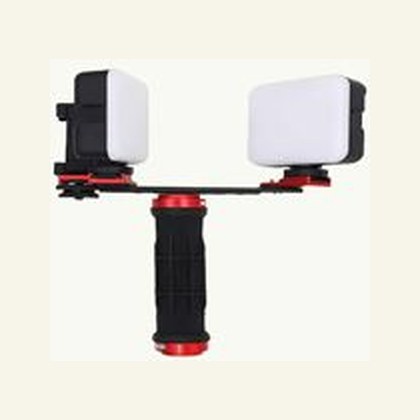
Twin LED rig ~$60 to $200
Two panels on a frame. Kills side shadows, gives you something to hold, and because the camera sits exposed you can use a clip-on macro lens. Weaker on posterior teeth as there's no central light source. Harder to transport.
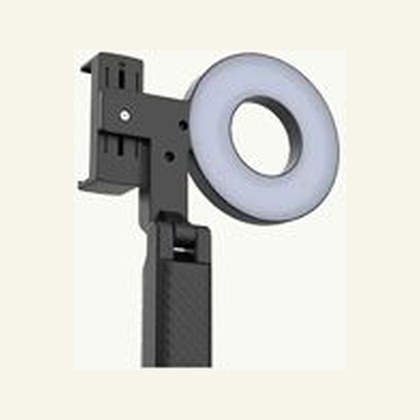
Clip-on ring light ~$15 to $40
Better than nothing. A good starter tool.
One last thing
Whatever light you land on, the photos are only worth taking if you can find them again.
DentalFolio is where mine live. The app allows me to capture, store, organise and present my cases. My clinical prowess has definitely levelled up since I implemented it.
So, the take-home:
- Level up your photos with the right light.
- Give your photos a home, so they're instantly findable and presentable.